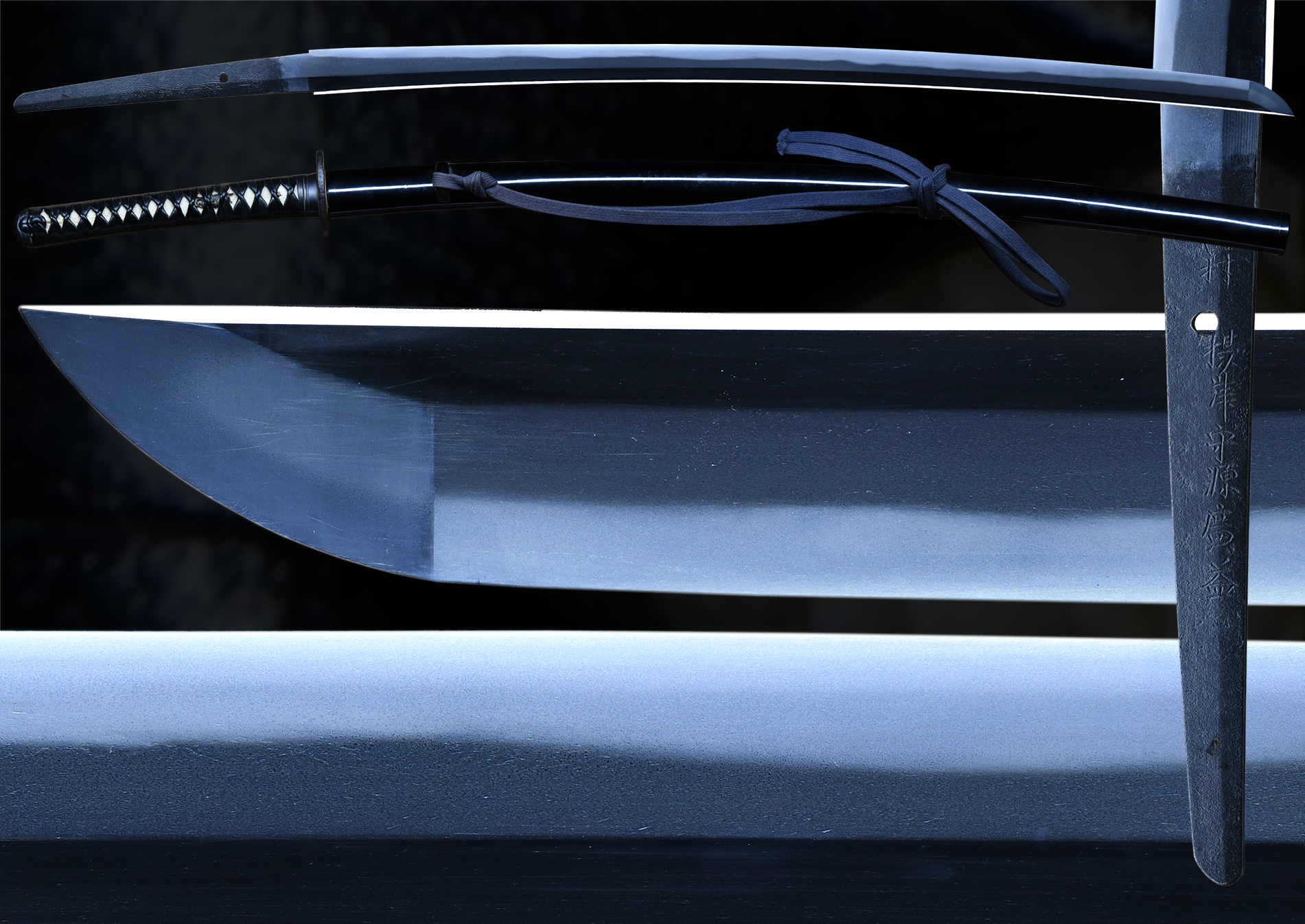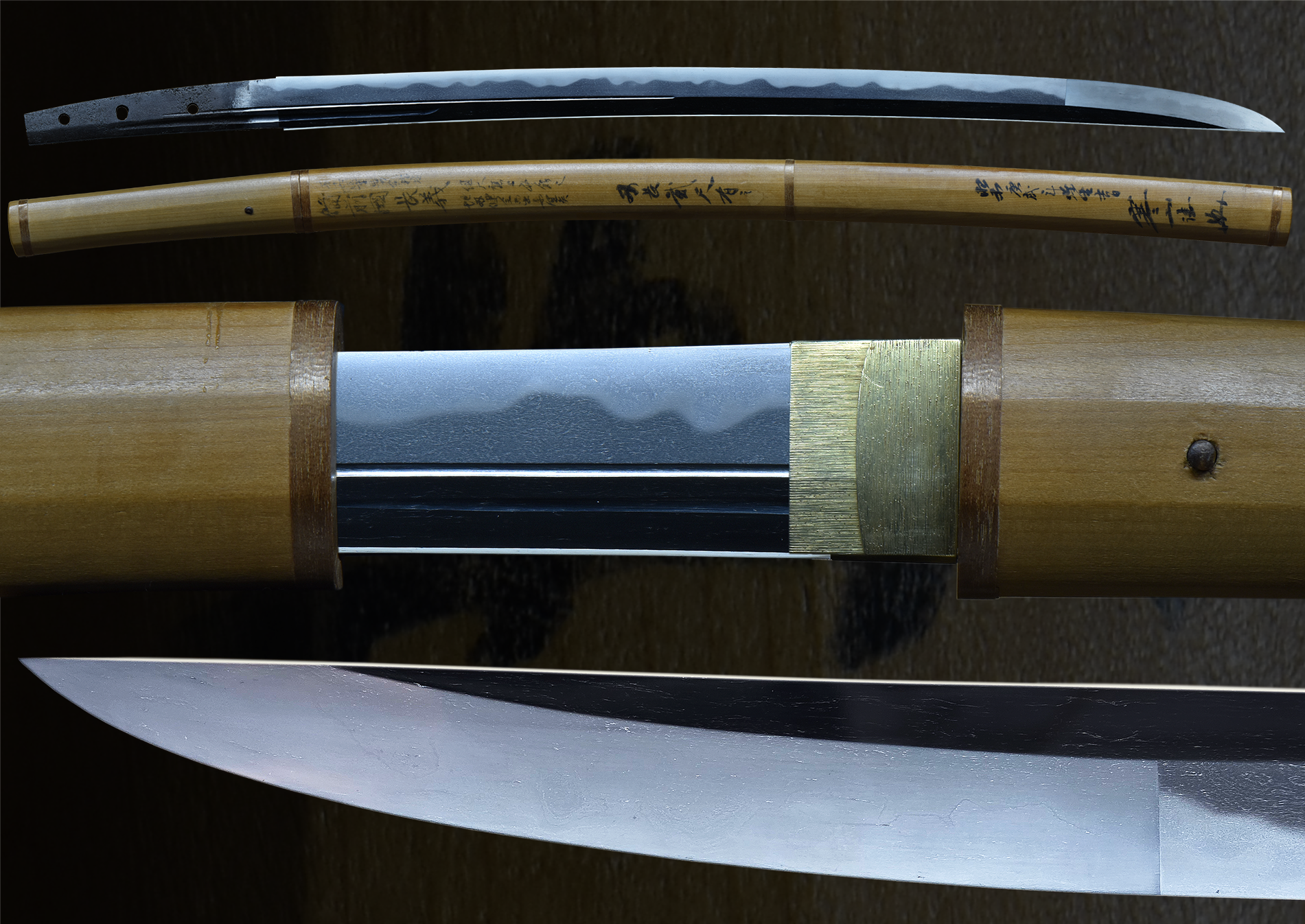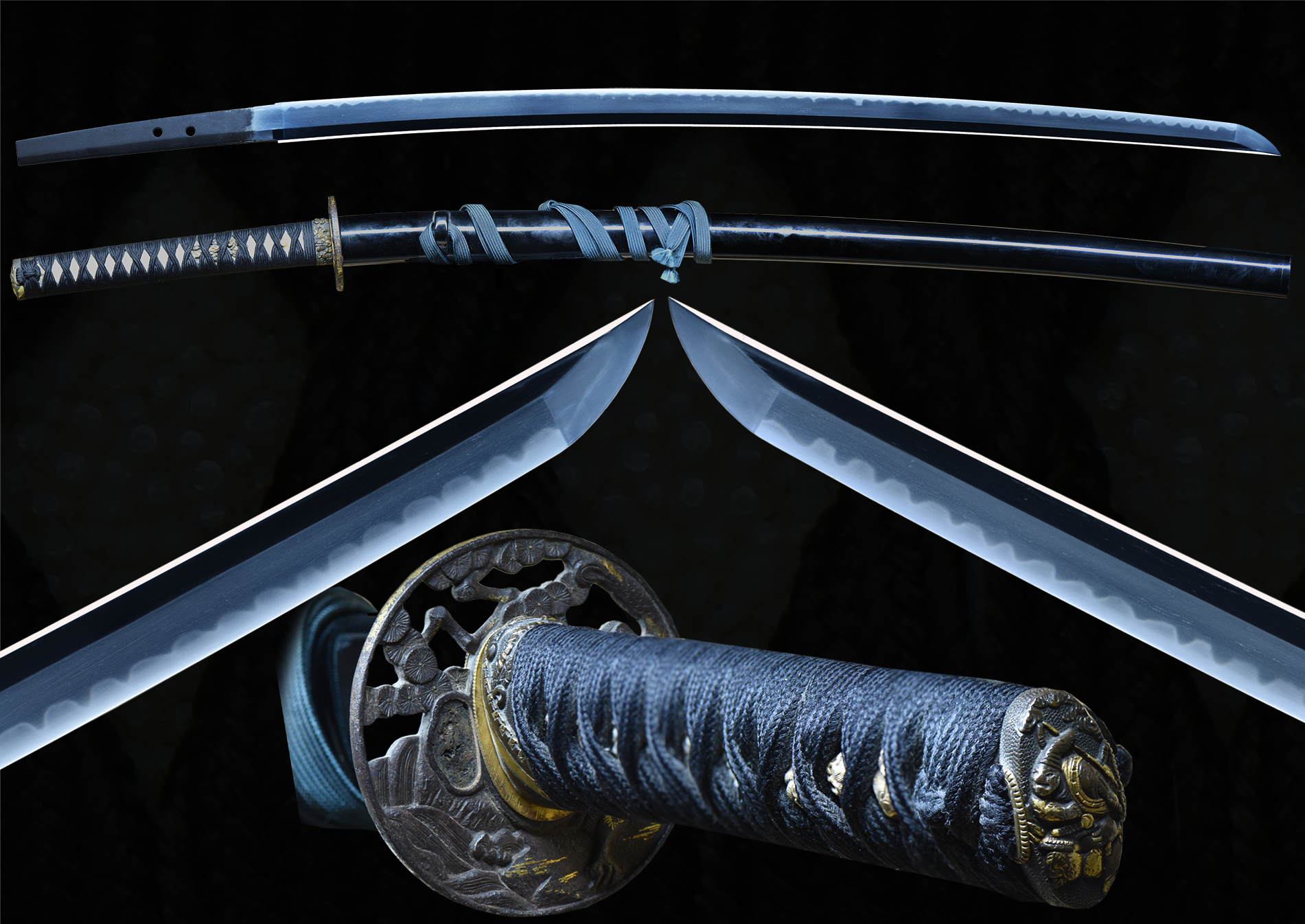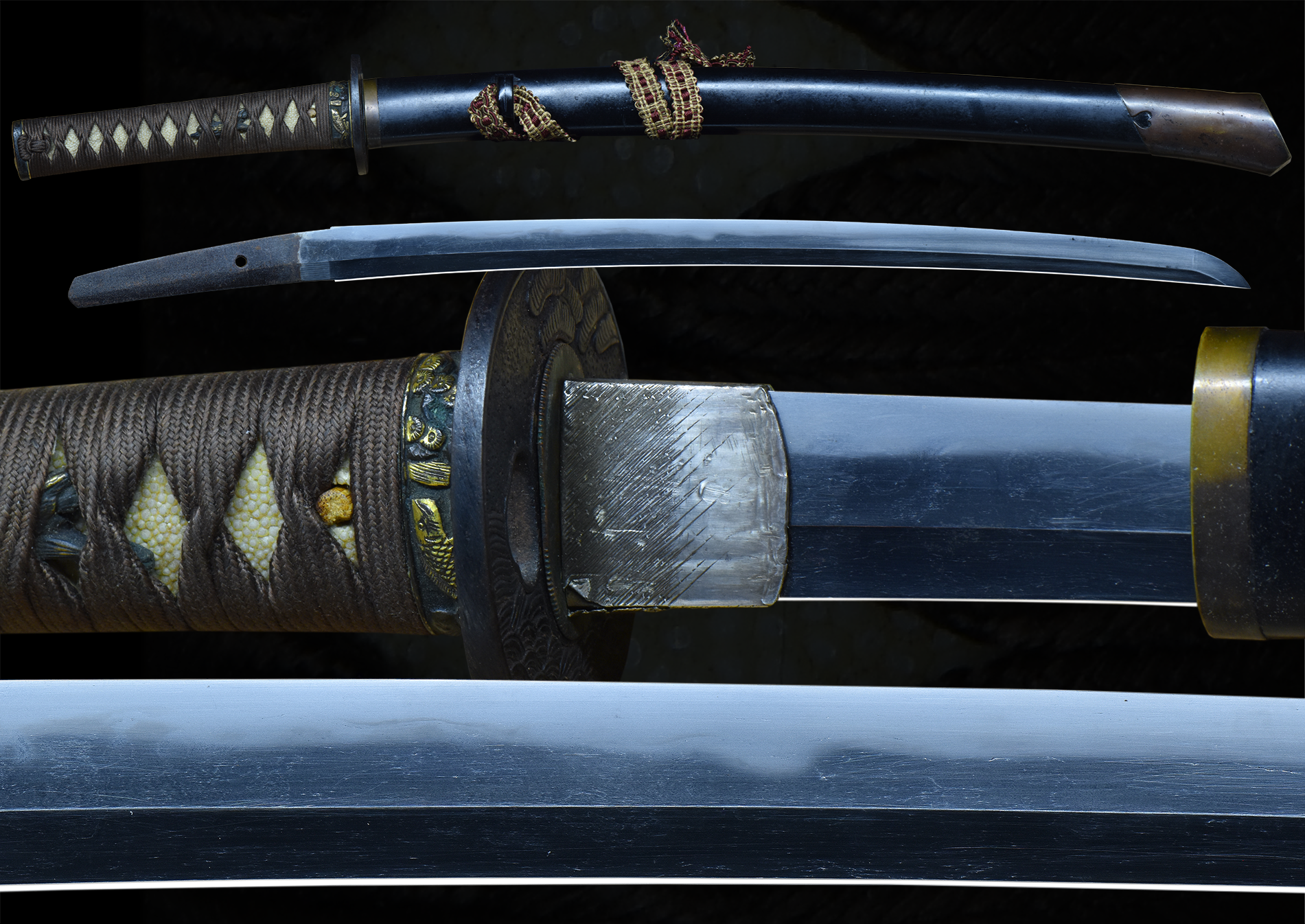
Bishū Osafune Sukesada (fss-988)
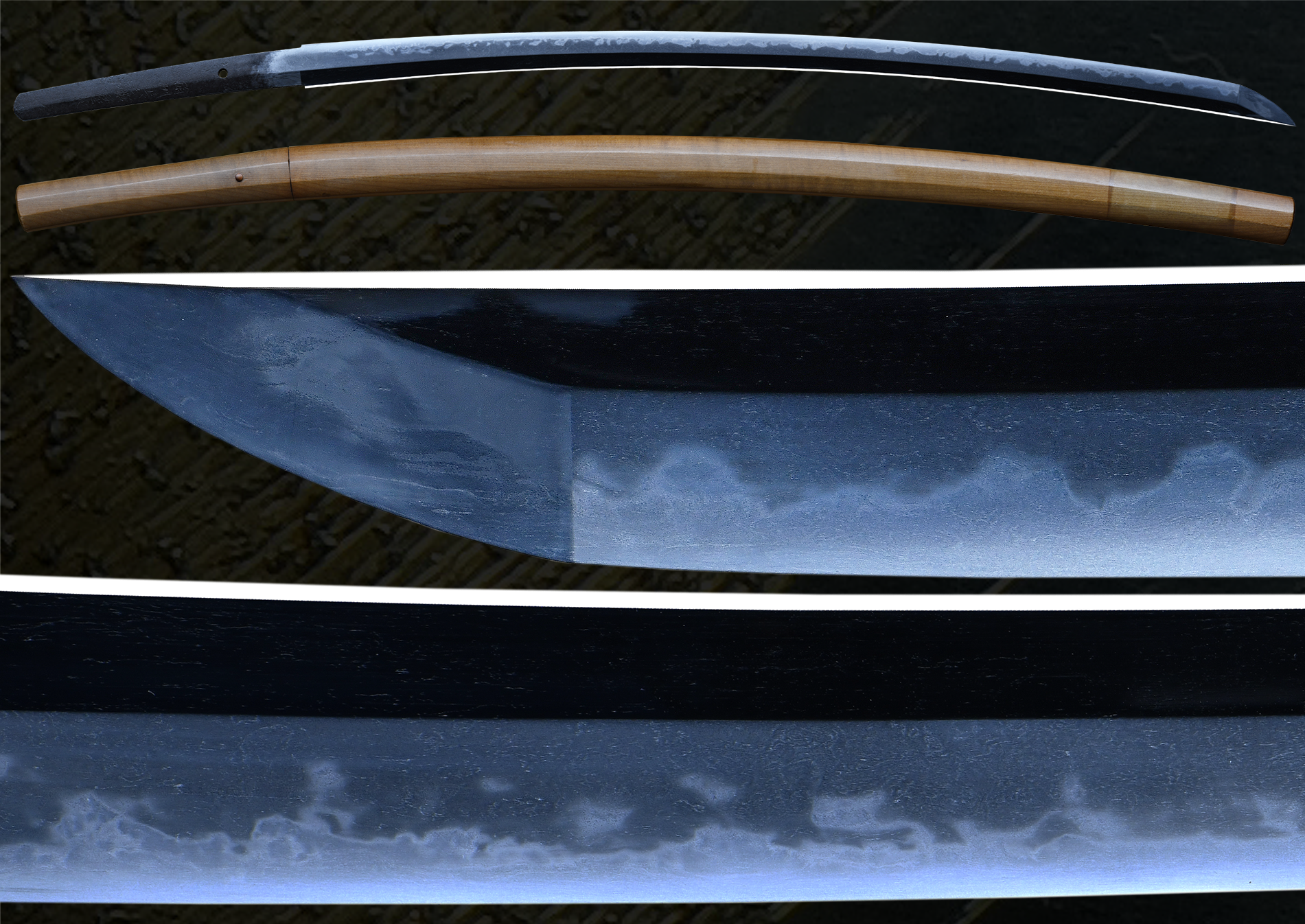
Bishū Osafune Sukesada
Province (Kuni) / Period (Jidai): Bizen Province (Okayama) – Late Muromachi period, dated August 1567 (Eiroku 10)
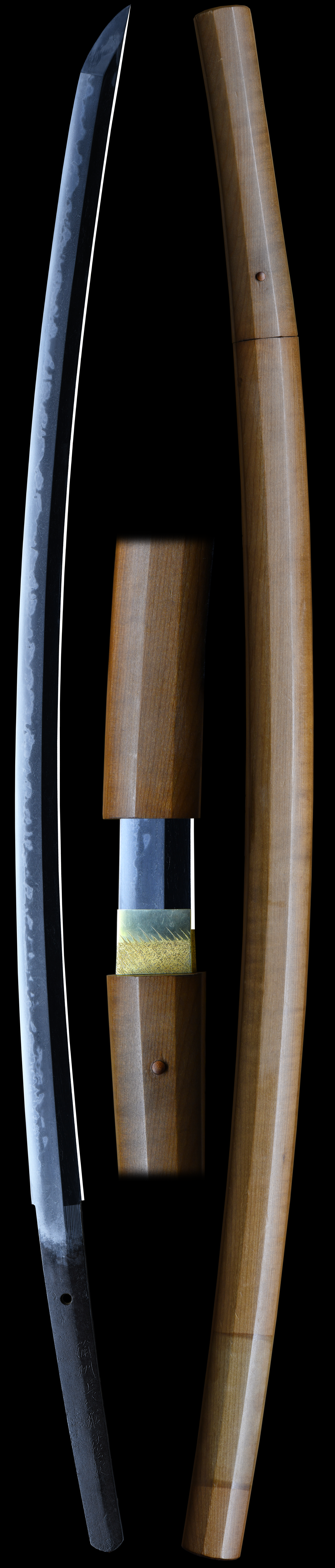
Nagasa: 71.5 cm
Sori: 2.5 cm
Moto-haba: 3.22 cm
Saki-haba: 2.55 cm
Moto-kasane: 0.77 cm
Saki-kasane: 0.60 cm
Koshirae: Shirasaya
Habaki: One-piece, gold foil
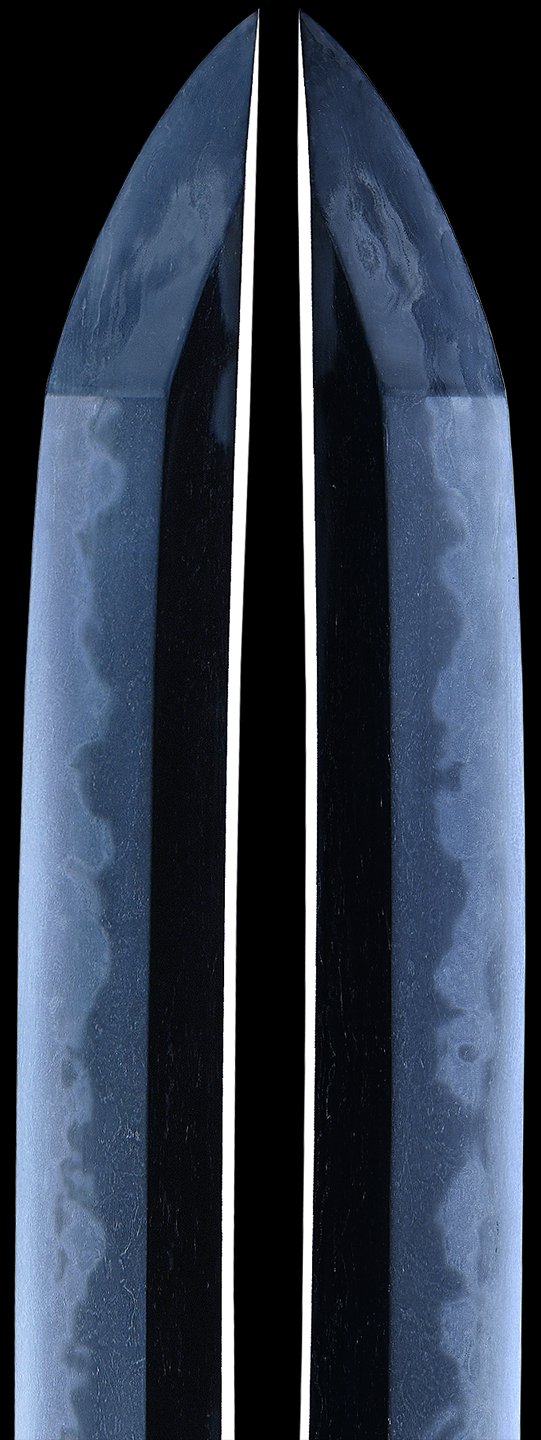
Sugata: Shinogi-zukuri, iori-mune, chū-kissaki
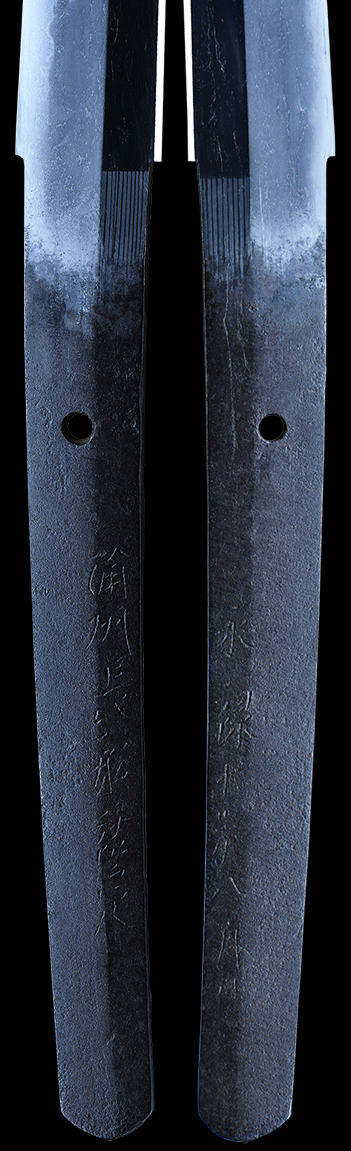
Nakago: Ubu, kattesagari yasurime, one mekugi-ana
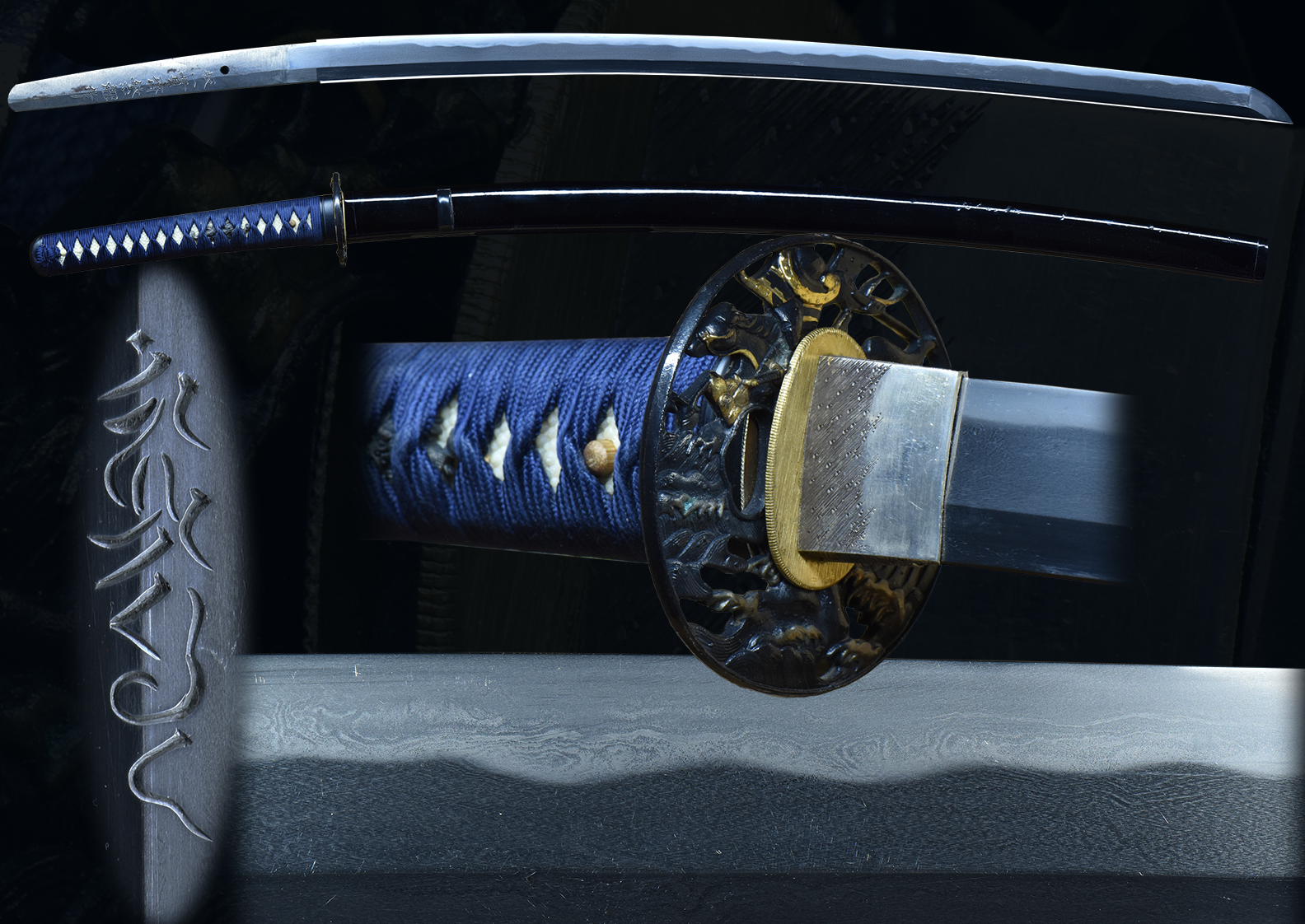
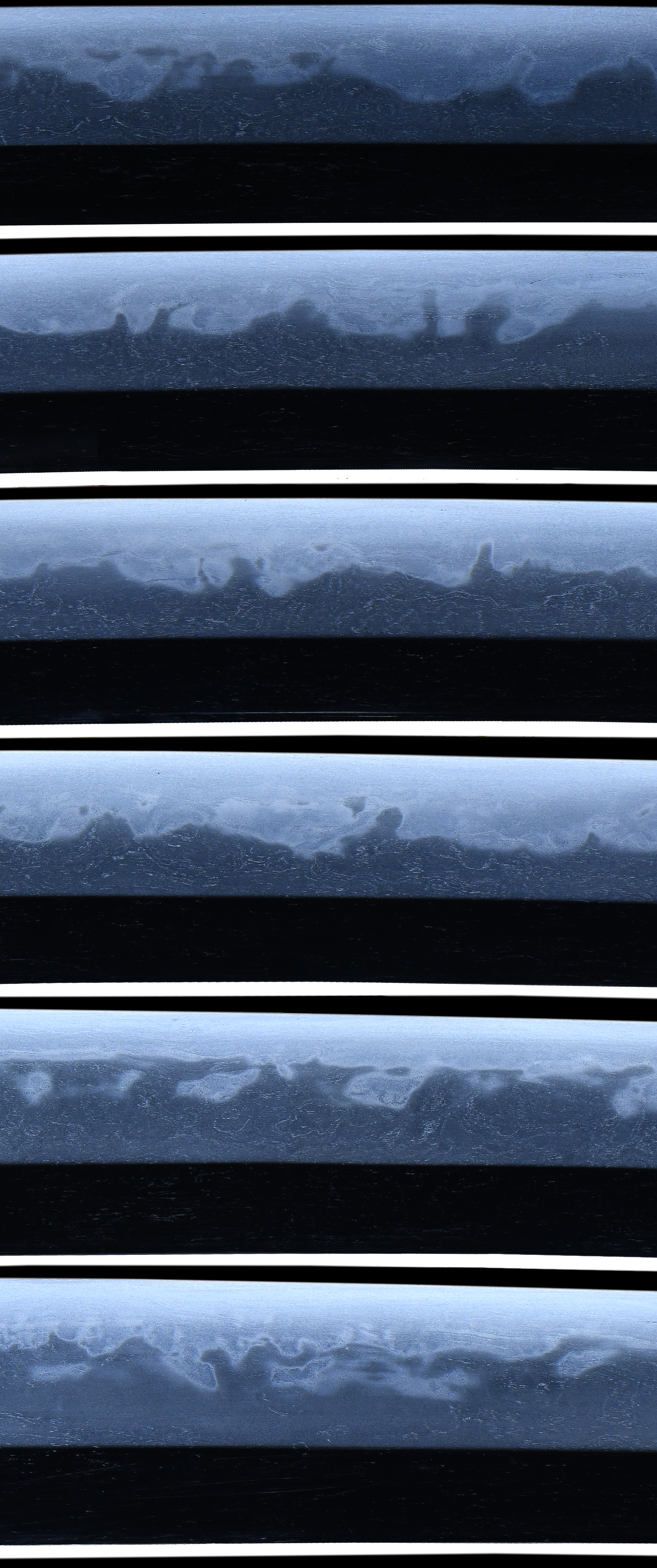
The hamon is a lively gunome-chōji mixture with tobiyaki, complemented by muneyaki extending along roughly half of the spine. The jigane is a well-forged itame with areas of mokume, showing good activity throughout.
The Sukesada school produced a vast number of blades during the Muromachi period, many of which were made in quantity to meet the demands of the time. Within that large body of work, however, there are clearly higher-grade examples—blades made to order, with greater care in forging and finishing. This sword stands firmly in that upper tier.
It is a dated piece, with a wide mihaba, healthy kasane, and a deep, graceful curvature—features that suggest it was commissioned rather than produced as a standard work. The ubu nakago with a single mekugi-ana further supports this, preserving its original proportions and integrity. Taken together, these characteristics point toward workmanship likely carried out by a senior smith within the Sukesada lineage.
The blade was made during a significant period in the Osafune tradition, when the forge was led by Nidai Yosōzaemon no Jō Sukesada and Genbei no Jō Sukesada, sons of Hikobei. This was also a pivotal year in Japanese history—1567—when Oda Nobunaga’s capture of Gifu Castle marked a major step in his rise to power.
Click to Enlarge Image
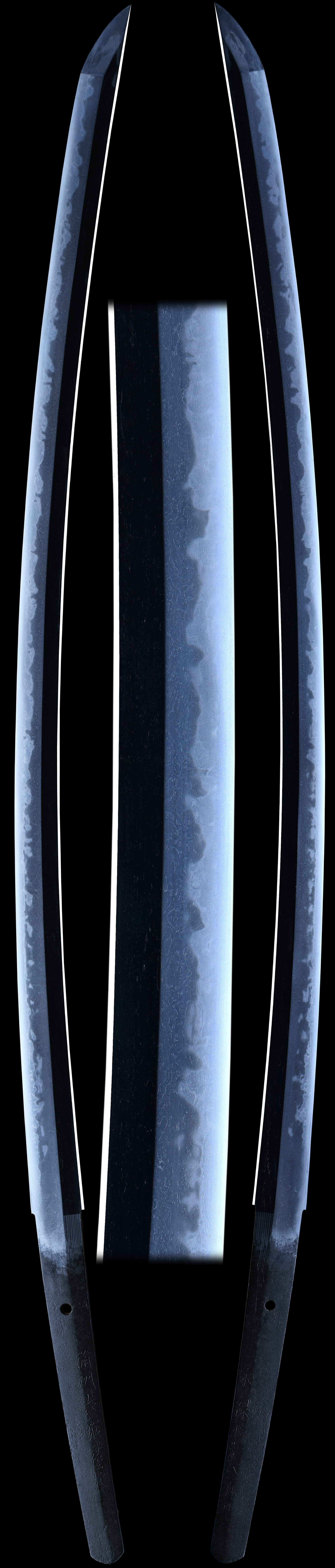
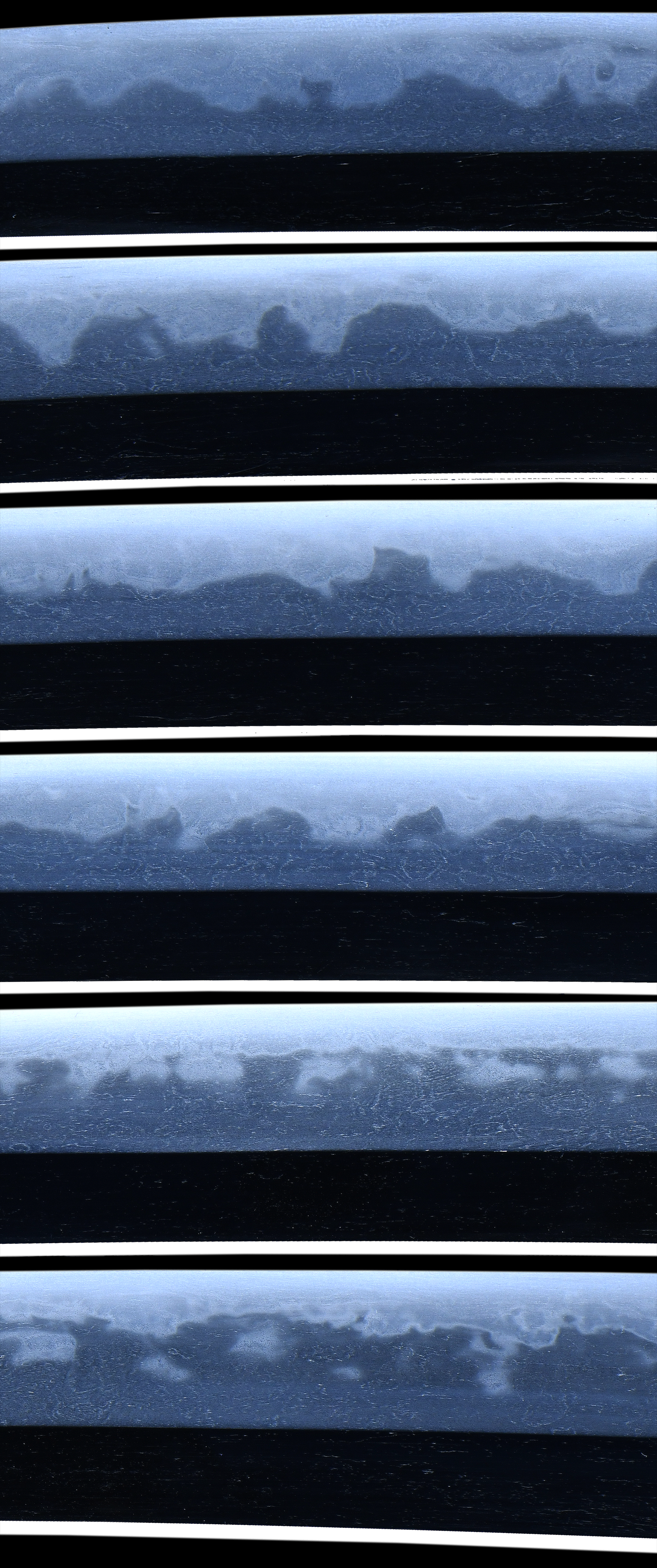
Click to Enlarge Image
Email us if your interested in this item and remember to include the order number for this item: fss-988.
Click to Enlarge Image
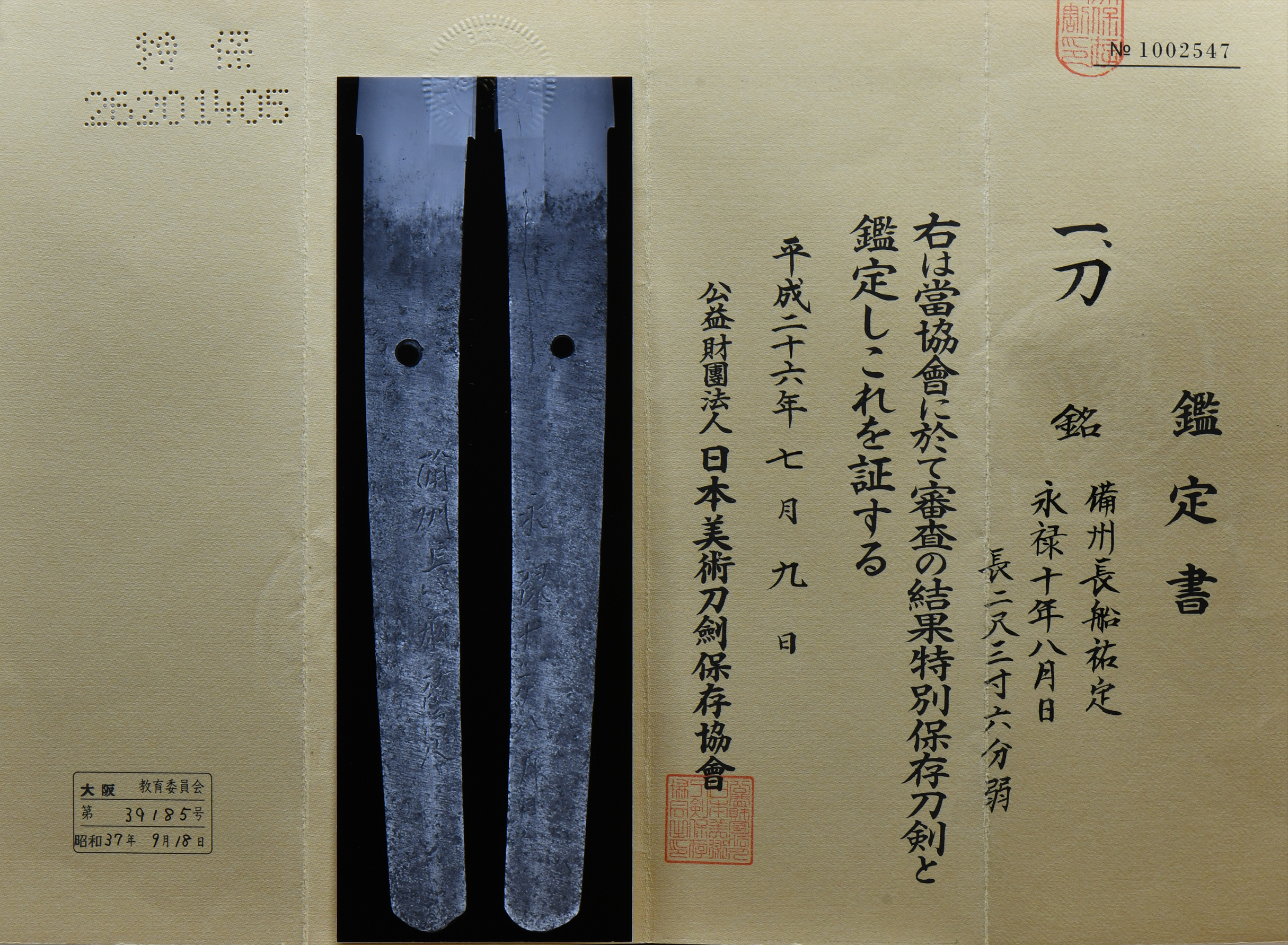
This paper is an NBTHK Tokubetsu Hozon certificate for a katana signed:
“Bishū Osafune Sukesada”
and dated:
August, Eiroku 10 (1567).
The blade measures just under 71.5 cm in length.
The NBTHK judged the sword worthy of Tokubetsu Hozon (Especially Worthy of Preservation) status and issued this certificate on July 9, 2014.
The sword was originally registered in Osaka on September 8, 1962.
For Sale